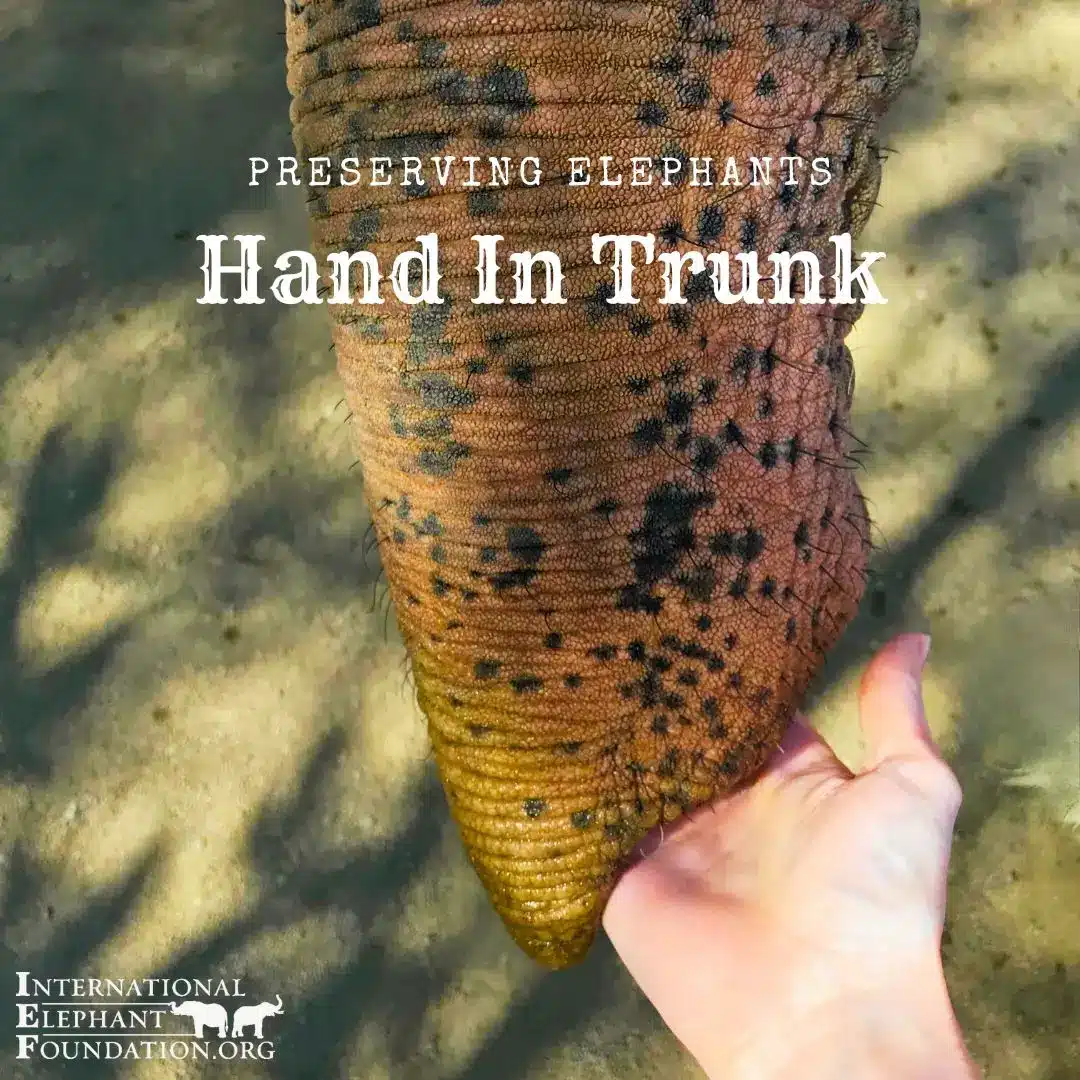
Did you know there are ten times fewer Asian elephants in the world than African elephants?
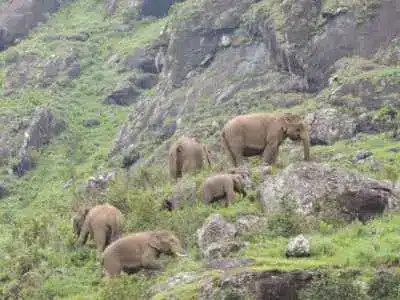
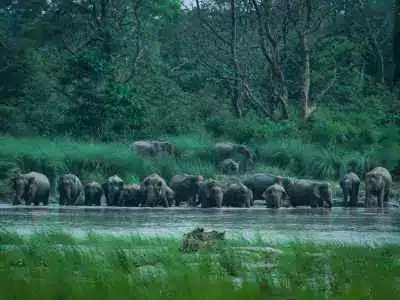
With an estimated 40,000-50,000 Asian elephants living in the 13 Asian elephant range countries and across the globe, and approximately 400,000-500,000 African elephants just in the continent of Africa, Asian elephants need our help. And yours.
We live in a growing world where technology and innovations bring us together at an ease never seen before. But those same methods that connect humans are the drivers that divide habitats. The rare earth elements (REE) that are required for our technology are mined in 5 Asian elephant range states: China, Vietnam, Myanmar, India, and Thailand1 . The need for biofuel, infrastructure development, and agricultural expansion to feed the growing cities further depletes, fractures, and destroys habitats. Nearly two-thirds of all Asian elephant habitat has been lost2 with India, Thailand, Vietnam, China, Bangladesh, and Sumatra (Indonesia) all losing more than half of their “suitable elephant habitat.” Continued development could exacerbate this trend, worsening habitat loss and fragmentation.
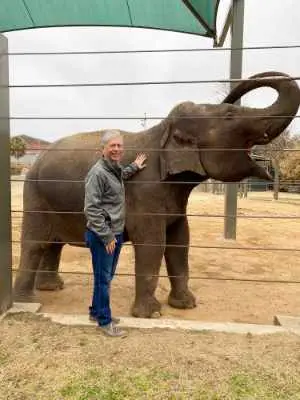
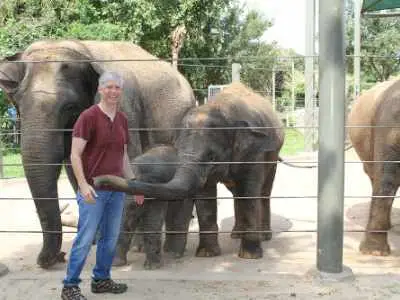
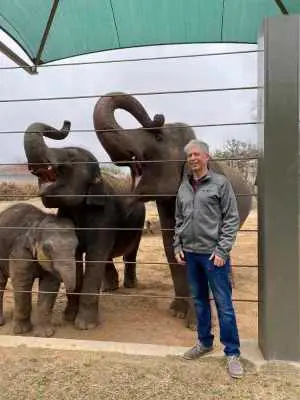
Nearly one third of all Asian elephants live in human care. Living inside and outside of Asia, these elephants are vital in protecting the species from extinction. Asian elephants in zoological and private facilities play a huge part in this future. First and foremost they connect us to the outside world. Most people will never be able to travel across the world to see a herd of elephants and learn about the challenges they face, but one can visit a zoo and talk to an elephant keeper. Meeting an elephant in person can be an experience you remember forever, no matter where it happens, and this can motivate conservation action for the rest of your life.
Elephants in human care also play an important role in conservation and protection actions for their “wild” cousins. Studying elephants in human care has helped researchers and conservation scientists determine water and hydration needs for wild herds, develop new human-elephant conflict mitigation methods, test crop-raiding deterrents, and identify and manage behavior and health issues to help protect and preserve elephants in range countries. The ability to easily, safely, and reliably obtain biological samples from elephants and observe their needs and behaviors in a controlled environment has resulted in huge conservation strides.
One of the biggest strides is the development of a vaccine for protective immunity against Elephant Endotheliotropic Herpesvirus hemorrhagic disease or EEHV-HD. The EEHV virus which causes deadly hemorrhagic disease (HD) is found in both Asian and African elephants, in human care and in the wild, and IEF has worked closely with researchers and elephant facilities to seek means to manage this insidious disease. Researchers like Dr. Paul Ling of Baylor College of Medicine have worked with a “bench to barn” approach, collaborating with zoological facilities, elephant keepers, and elephants in human care to develop the tools and expand our knowledge so that we are well on the road to making a vaccine a reality. We are proud to say vaccine trials are almost here, hopefully making EEHV-HD a thing of the past. You can learn more about IEF’s support of EEHV research and vaccine development in the April 2024 Issue #8 of Elephant Echoes.
With 25 years of protecting and preserving elephants, IEF knows firsthand how important zoological facilities are to conservation work and the survival of elephants. We are proud to partner with AZA’s Asian Elephant SAFE to continue the legacy of sharing and preserving elephants. Together we can make a difference for generations to come. Their trunk, and their future, is quite literally in our hands.