Elephant Experts Descend on Dallas/Fort Worth
By Gwen Thomas
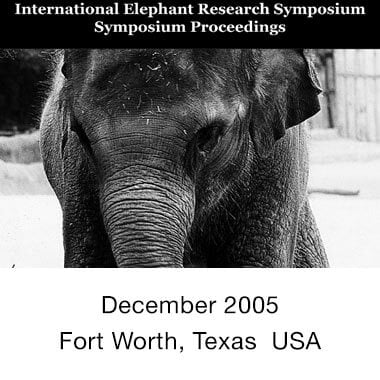
Trumpets and rumbles echoed across the Metroplex as 160 elephant researchers, practitioners, and students from around the world — plus 20 who joined virtually — gathered at the Fort Worth Zoo for the 21st International Elephant Conservation and Research Symposium. Organized by the International Elephant Foundation and hosted by the Fort Worth Zoo in collaboration with Global Conservation Partner Vantara, the four-day symposium (December 5–8) brought together representatives from 27 countries across Africa, Asia, Europe, and the Americas to share ideas and experiences advancing the conservation of both captive and wild elephants.
Daily keynote speakers anchored discussions and framed a wide range of presentations. Richard Moller, Co-Founder and CEO of Tsavo Trust in Kenya, shared insights from safeguarding the Tsavo Conservation Area, home to 40% of Kenya’s elephants, including its iconic big tuskers. His address set the stage for sessions on technological innovations such as GIS, AI, and drones used for better understanding elephant behavior and to fight poaching. Sarah Maisonneuve, Founder of Wildlife Connection in Tanzania, highlighted her work in Ruaha National Park blending ecological research, education, and community engagement to promote coexistence between people and wildlife. Rachel Harris, Founder and Managing Director of Elephant Human Relations Aid (EHRA) in Namibia, focused on peaceful coexistence between desert-adapted elephants and local communities.
The keynote speakers set the stage for 74 presentations ranging from human–elephant conflict (HEC) addressing crop predation, local livelihoods, and local solutions from Kenya to Cambodia, to infrastructure and governance in elephant conservation with perspectives from India, Nigeria, Uganda, and Indonesia, and to on-the-ground conflict mitigation in Sri Lanka, Nepal, Mozambique, and Ghana. The symposium also focused on elephant genetics and advancing elephant healthcare in veterinary science particularly centered on Elephant Endotheliotropic Hemorrhagic Disease (EEHV), a highly contagious and often fatal virus, especially affecting young elephants. The 4-day symposium concluded with a behind-the-scenes visit to the Fort Worth Zoo’s elephant facilities, including the reproductive science and EEHV serology lab, and a close-up visit with the zoo’s newest resident—Birdie, (short for Lady Bird) a spirited four-month-old Asian elephant.
Between sessions, participants enjoyed Texas hospitality, from cocktails in Fort Worth and longhorn photo ops, to cowboy roping, boot scooting, and local entertainment. The International Elephant Foundation and the Fort Worth Zoo delivered an engaging, informative, and memorable symposium—sending participants home with fresh ideas, strengthened connections, and renewed commitment to elephant research and conservation worldwide.
******
Gwen Thomas is a Science Teacher at Shelton School in Dallas, a former state-wide Director of the Texas Society for Ecological Restoration, and a Texas Master Naturalist. She spent part of her childhood living in Kenya where she developed a passion for elephants and a concern for human-elephant co-existence.